Pixel Museum — Playable History of Video Games
A playable digital museum that turns the history of video games into an explorable pixel-art world.
Pixel Museum — A playable history of video games
Pixel Museum reimagines the digital museum as a game world. Instead of placing the history of video games behind a conventional sequence of pages, timelines, and display cases, the project invites visitors to enter through play: move a small pixel character, jump between platforms, and discover a medium through the visual and mechanical language that made it distinctive.
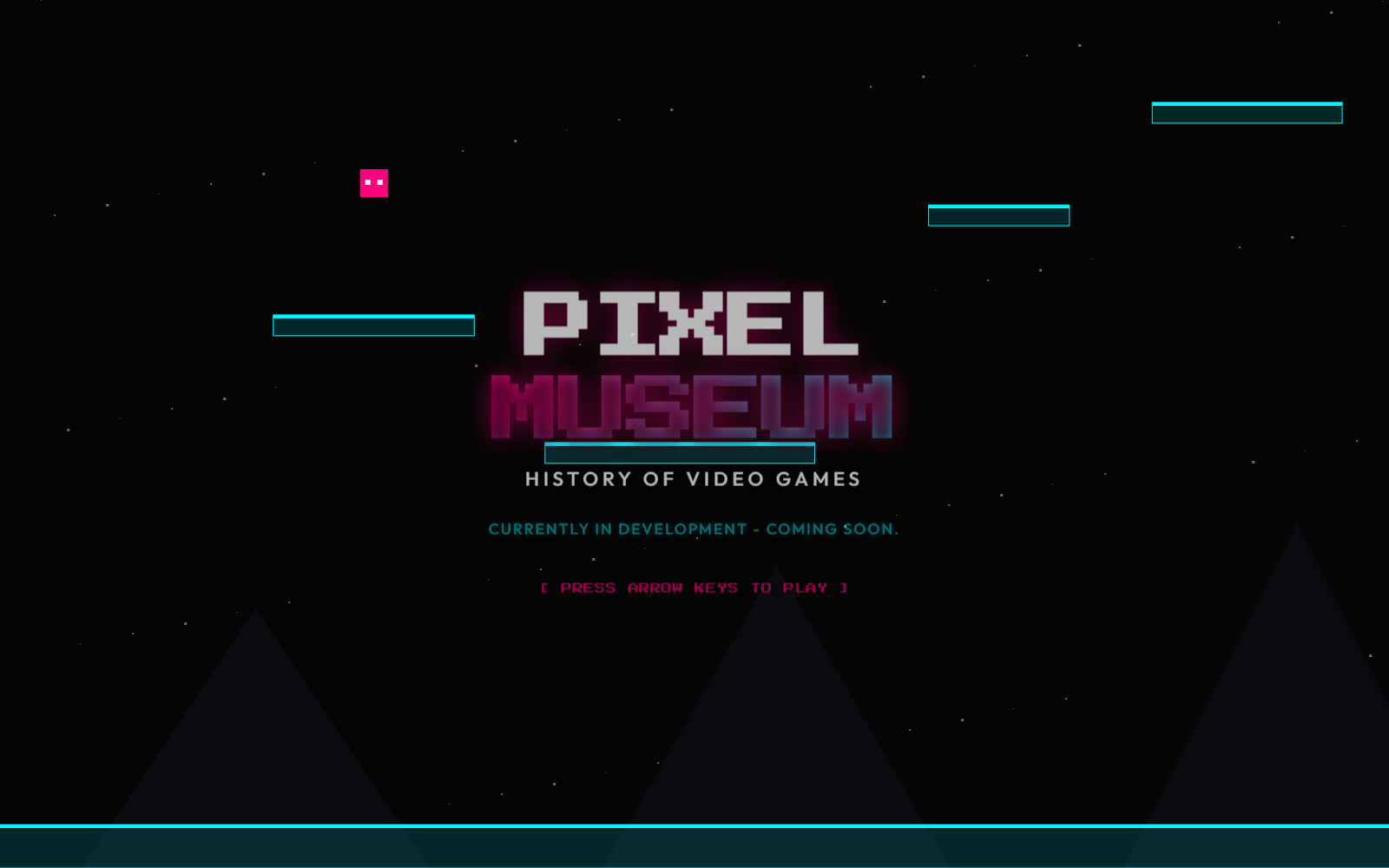
The public site currently presents the opening scene of an experience in development. Its title screen is already interactive, with keyboard and on-screen controls that make the visitor an active participant from the first moment. The result feels less like reading an announcement and more like standing at the entrance to an unfinished arcade whose exhibition rooms are beginning to take shape.
The museum becomes the interface
Video-game history is often documented through screenshots, hardware catalogues, written chronologies, and recorded play. Pixel Museum proposes another route: the act of navigating can itself become part of the interpretation.
The project’s pixel-art environment immediately evokes the visual constraints and design vocabulary of early game systems. Platforms, movement, jumping, luminous colours, and a star-filled background are not merely decoration. They establish an interface visitors already understand through decades of platform-game conventions. The museum can therefore use space, movement, and discovery to connect historical explanation with embodied interaction.
This approach opens several possibilities for the full experience:
- playable galleries organised by period, platform, genre, or design innovation;
- objects that reveal their significance through interaction rather than description alone;
- comparisons between changing graphic, sound, and control conventions;
- paths that let visitors build their own route through game history;
- accessible contextual material surrounding each playable encounter.
A strong visual identity
The launch scene combines a nearly black field with cyan platforms, magenta highlights, a tiny animated avatar, and monumental pixel typography. It recalls the atmosphere of an arcade screen without imitating one specific commercial game. The restrained palette keeps the title legible and gives the playable elements an immediate functional role.
The composition also communicates the central idea before any explanatory text is needed. The visitor sees a museum, but the museum is already a level. The instruction—press the arrow keys to play—turns a familiar landing page into the first exhibit.
Designed to grow
Pixel Museum is currently labelled “in development — coming soon.” The available page should therefore be understood as a playable preview, not yet as the complete museum. What is public already demonstrates the project’s interaction model and aesthetic direction: history will be encountered by moving through it.
That distinction matters. The present experience is compelling because it shows a concrete interface rather than a static promise, while leaving room for the curatorial structure, historical sources, object records, accessibility features, and deeper galleries to emerge as development continues.
Why it belongs in Complexity
Pixel Museum sits at the intersection of digital heritage, interactive narrative, creative coding, and game studies. It treats the browser not only as a container for historical information but as a medium capable of expressing how games work.
Its most promising contribution is methodological: a museum about an interactive form can itself be interactive. By allowing exploration, timing, movement, and discovery to carry meaning, Pixel Museum can make the history of video games approachable to new audiences while preserving enough structure for a serious digital exhibition.
Enter the preview
Visit www.pixel.museum and use the arrow keys or the on-screen controls to explore the opening scene. The museum is still being built, but its first invitation is already clear: do not only look—play.
Related Projects
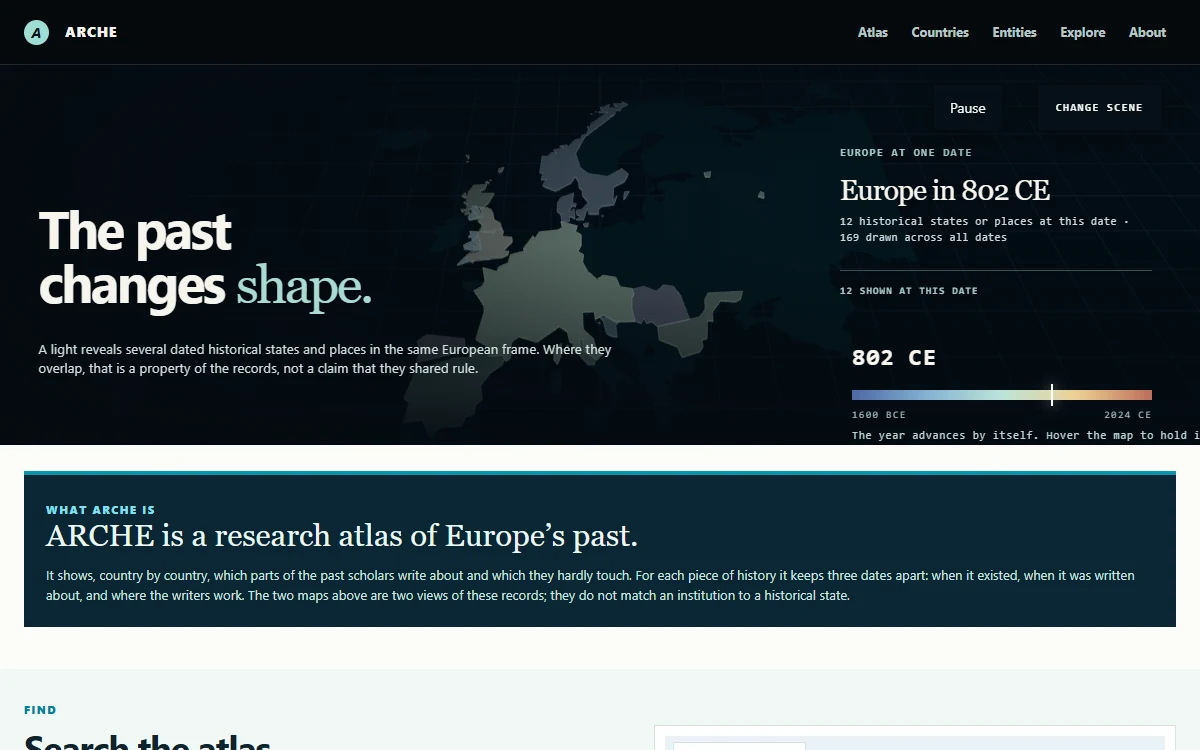
ARCHE — Research Atlas of Europe’s Past
An interactive research atlas connecting historical European entities and territories with OpenAlex scholarly metadata to reveal where, when, and by whom Europe’s past is studied.

Generative Music Studio
A local-first procedural music studio with seeded composition, editable sequences, real-time synthesis, waveform visualization, local persistence, and WAV export.
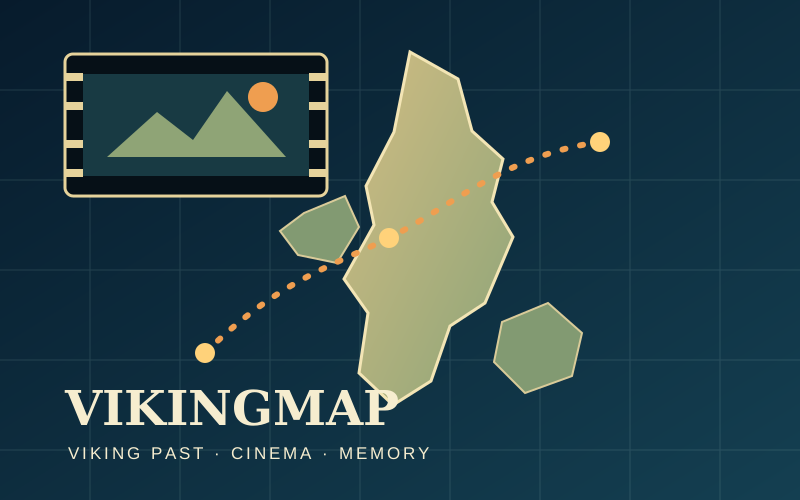
VikingMap: How Viking Past Is Used Today
An interactive digital-humanities atlas tracing how European cinema has reshaped public ideas of Vikings across time, geography, and popular culture.

Digital Manuscript Explorer
A local-first teaching interface with interpretive manuscript facsimiles, parallel curated transcriptions, search, glossary annotations, zoom, and private notes.

Animal Migration Atlas
An interactive 3D atlas of bird, mammal, butterfly, and dragonfly migrations, built from real GBIF observations and rendered with Globe.GL/Three.js.

Procedural Poetry Studio
A transparent procedural poetry studio with seeded generation, configurable forms and themes, editing, lexical analysis, word clouds, persistence, and text export.